HomeStructural Engineering 101

Structural Engineering 101


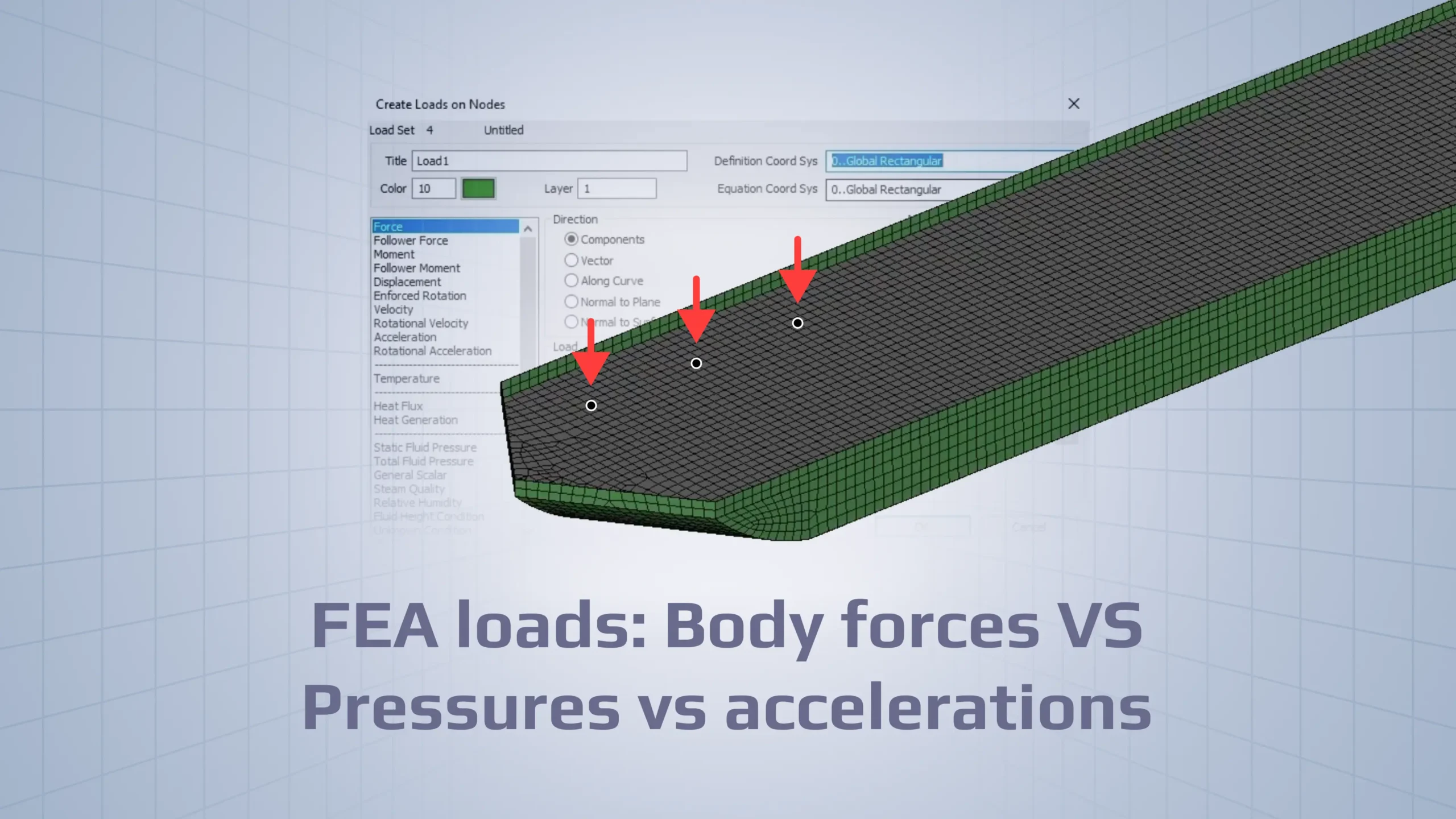
FEA Loads: Body Forces vs Pressures vs Accelerations (And Common Modeling Mistakes)

FEA Loads: Body Forces vs Pressures vs Accelerations (And Common Modeling Mistakes)

In Finite Element Analysis (FEA), the load type defines where the force actually goes in the model. Choosing the wrong…

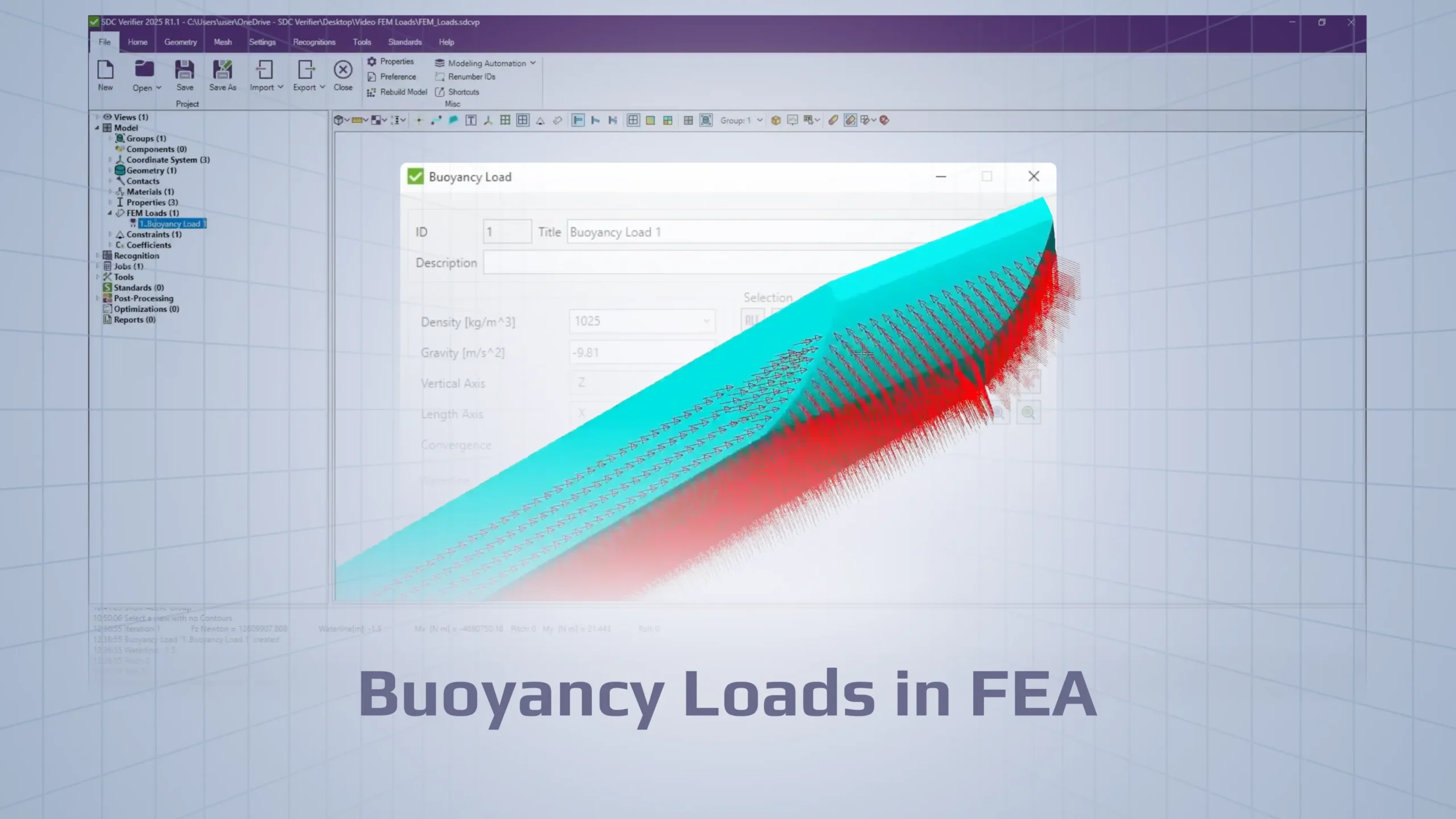
Buoyancy Loads in FEA: Reference Volume, Sign Conventions, and Verification Checks

Buoyancy Loads in FEA: Reference Volume, Sign Conventions, and Verification Checks

Buoyancy loads look simple on paper: hydrostatic pressure up, weight down, equilibrium reached. In FEA, however, buoyancy is one of the…

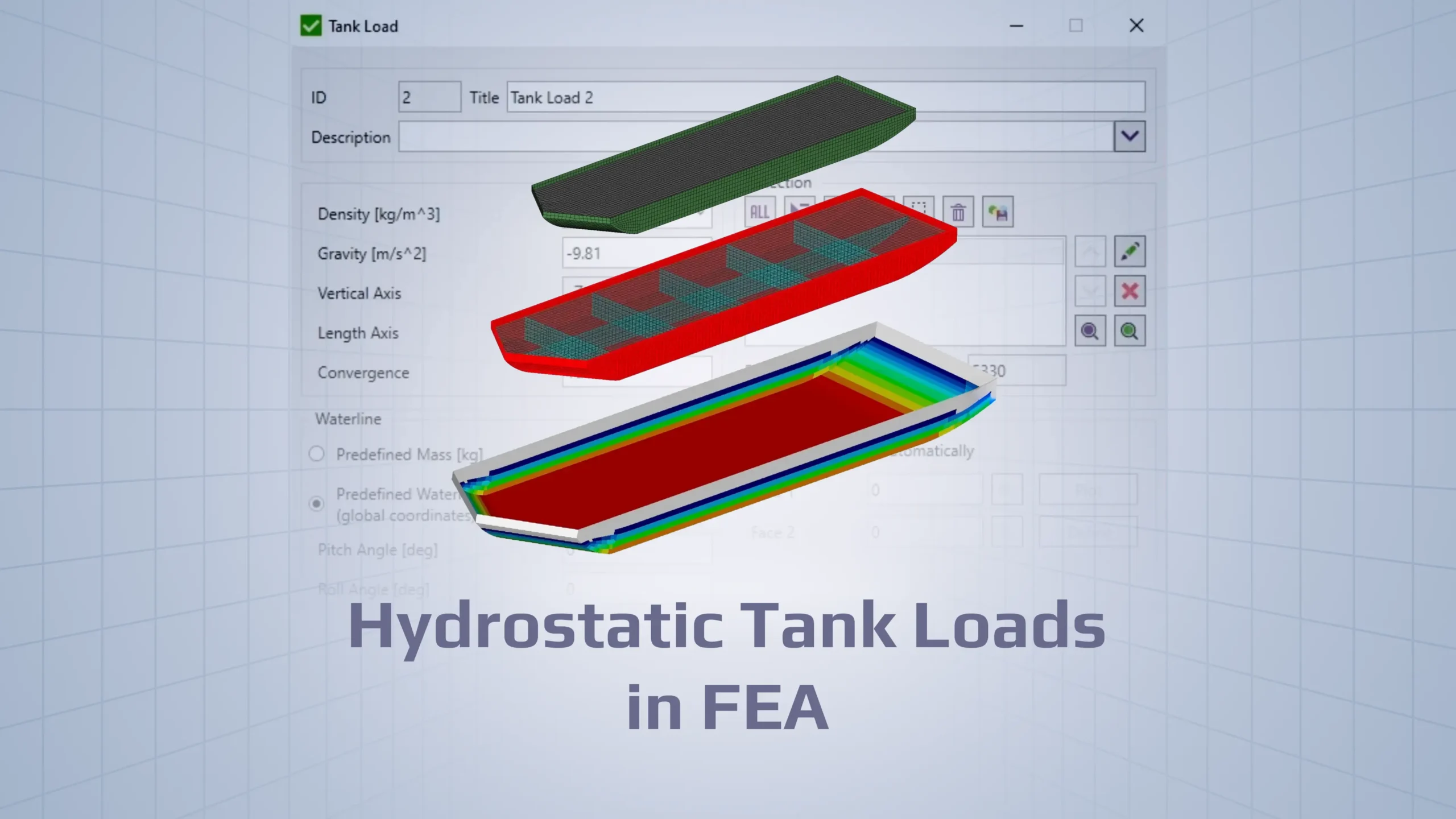
Hydrostatic Tank Loads in FEA: Pressure Distribution, Fill Levels, and Sanity Checks 

Hydrostatic Tank Loads in FEA: Pressure Distribution, Fill Levels, and Sanity Checks 

Hydrostatic pressure is one of the most common, and most frequently misunderstood, load types in structural FEA. Unlike point or uniform loads, fluid…

Engineering Verification Reports: What to Include, What to Show, and What Reviewers Look for

Engineering Verification Reports: What to Include, What to Show, and What Reviewers Look for

In many engineering projects, reviews are delayed not because the analysis is wrong, but because the results cannot be fully…

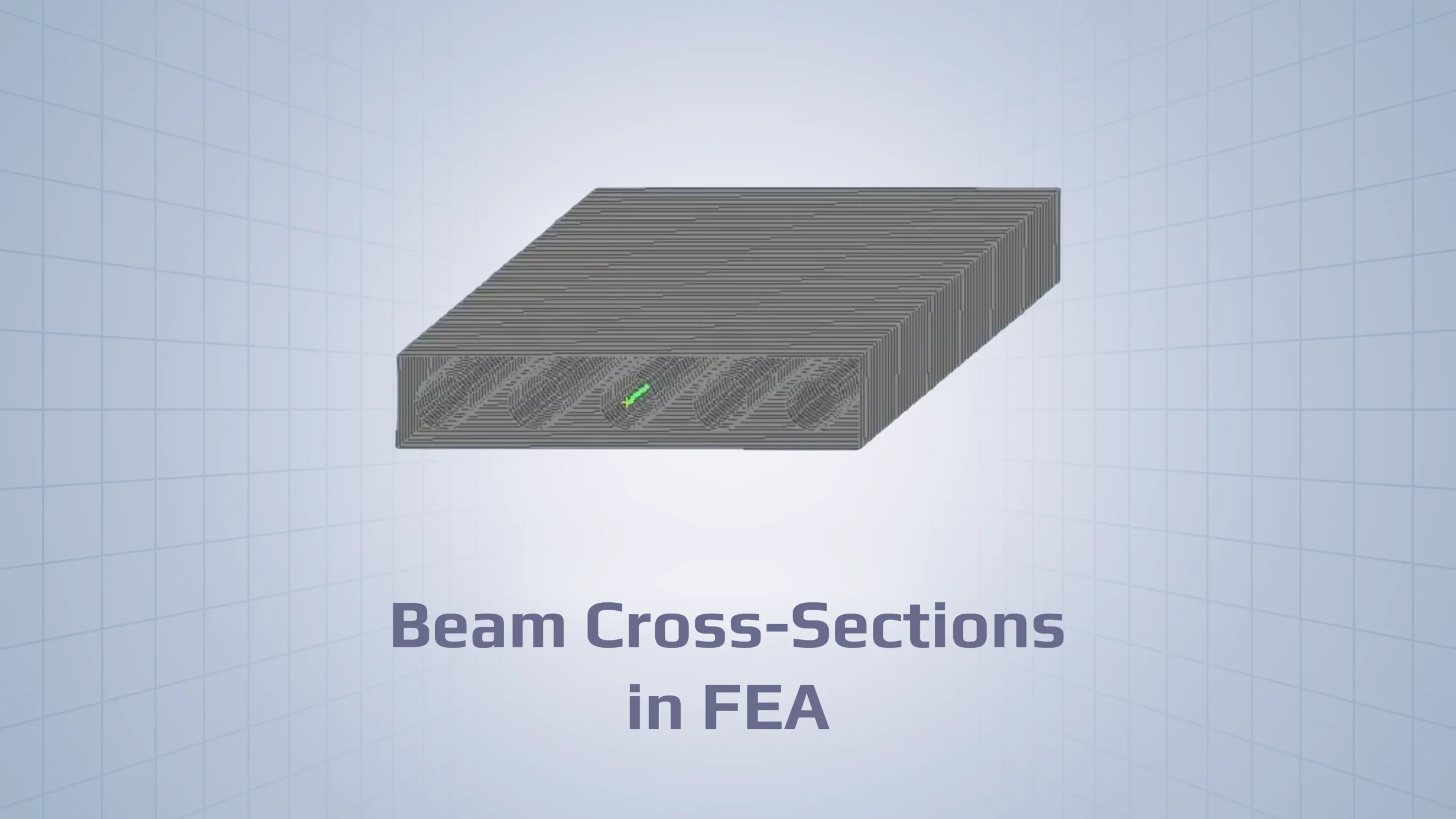
Beam Cross-Sections in FEA: Section Properties, Orientation, and What Changes Strength Checks 

Beam Cross-Sections in FEA: Section Properties, Orientation, and What Changes Strength Checks 

Beam cross-sections matter in FEA because a beam element does not “know” your real 3D shape unless you define it correctly.…

Start Your Next Analysis with SDC Verifier

Get a Free Trial

Join our newsletter

    What would you like to know more about SDC Verifier?
    Loading