HomeArticles

Articles


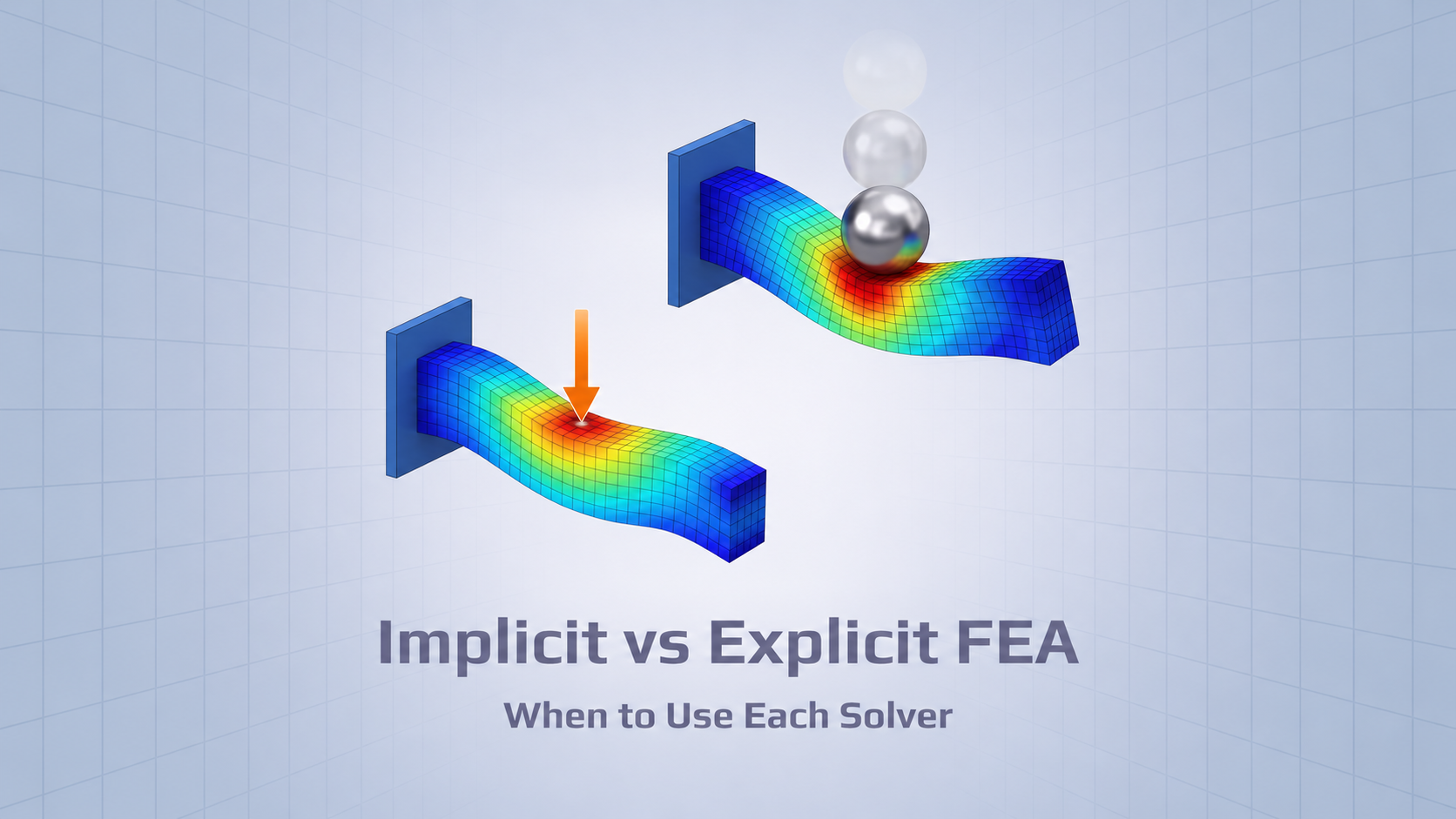
Implicit vs Explicit FEA: Solver Differences, Use Cases, and Selection Guide

Implicit vs Explicit FEA: Solver Differences, Use Cases, and Selection Guide

The choice between implicit and explicit finite element analysis affects how a simulation is solved, how much computational effort it…

Structural Verification of Transition-Piece-Less Monopiles

Structural Verification of Transition-Piece-Less Monopiles

In a conventional offshore wind monopile foundation, a transition piece (TP) connects the monopile to the turbine tower. A transition-piece-less…

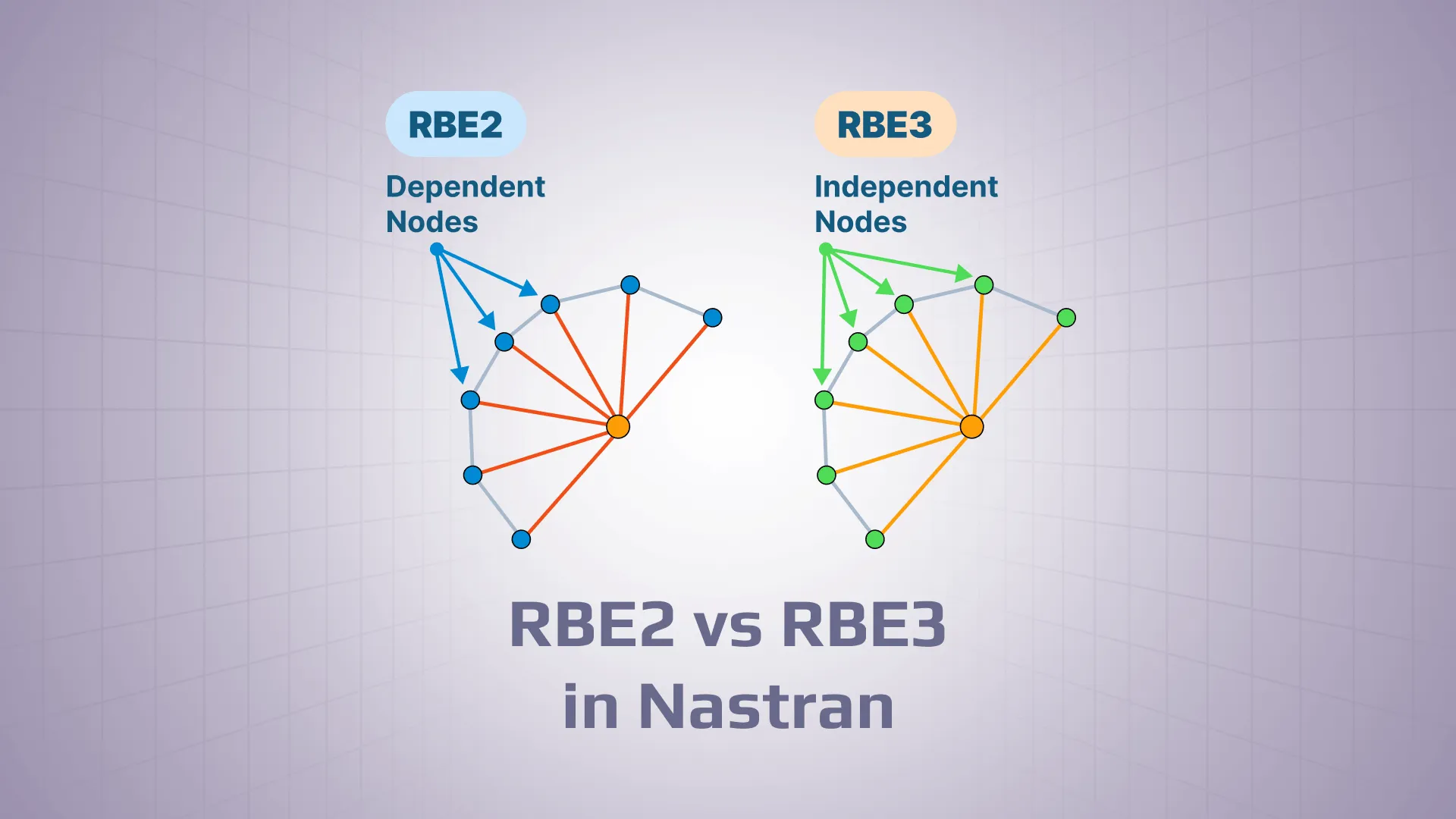
RBE2 vs RBE3 in Nastran: Differences, Use Cases, and Common Modeling Mistakes

RBE2 vs RBE3 in Nastran: Differences, Use Cases, and Common Modeling Mistakes

Rigid body elements are commonly used in finite element models to connect nodes, introduce loads, mass points, represent rigid connections,…

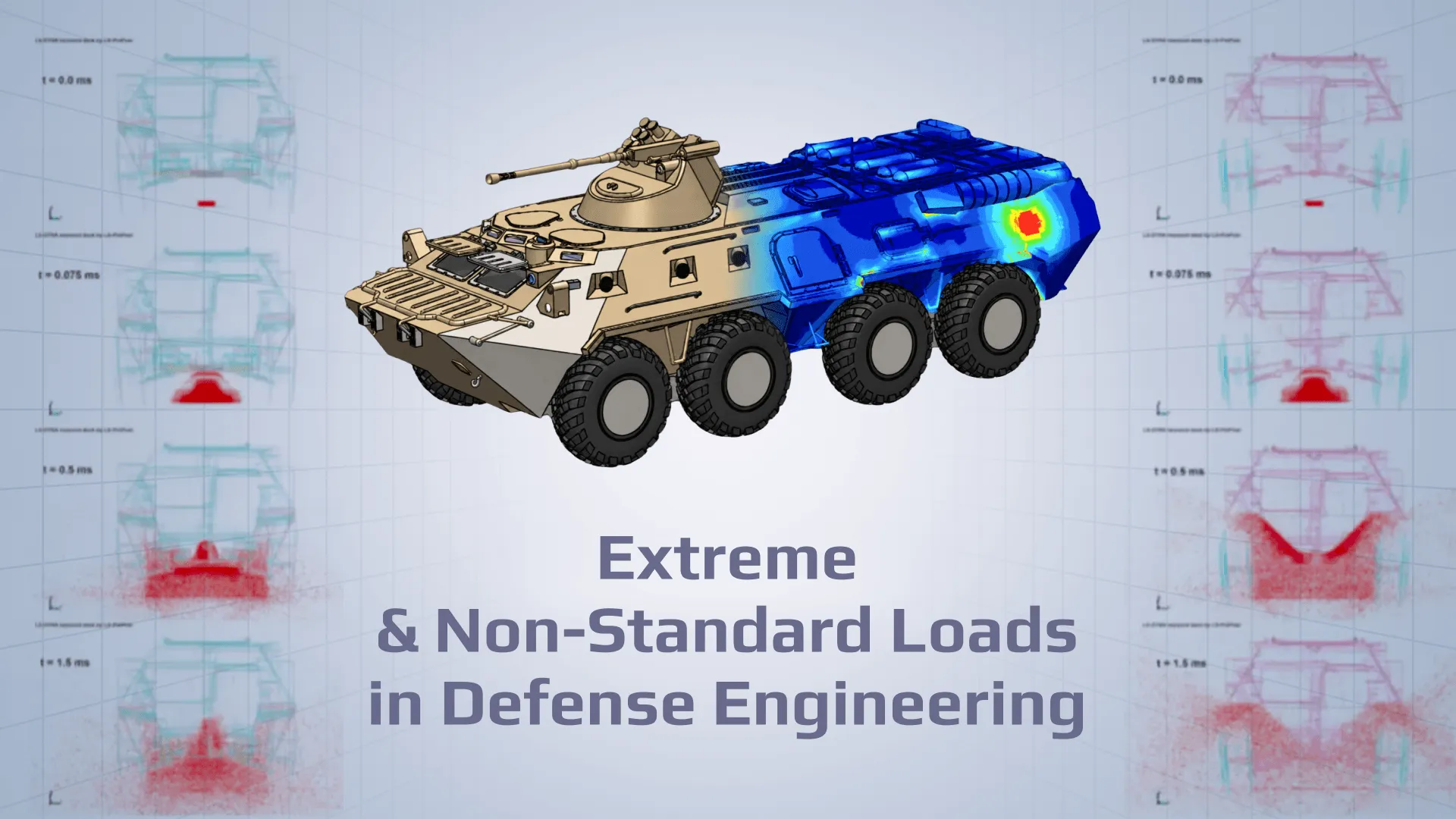
Structural Verification Under Extreme and Non-Standard Loads in Defense Engineering

Structural Verification Under Extreme and Non-Standard Loads in Defense Engineering

For the defense industry, a finite element analysis can produce thousands of results, but the key question remains:  Does the…

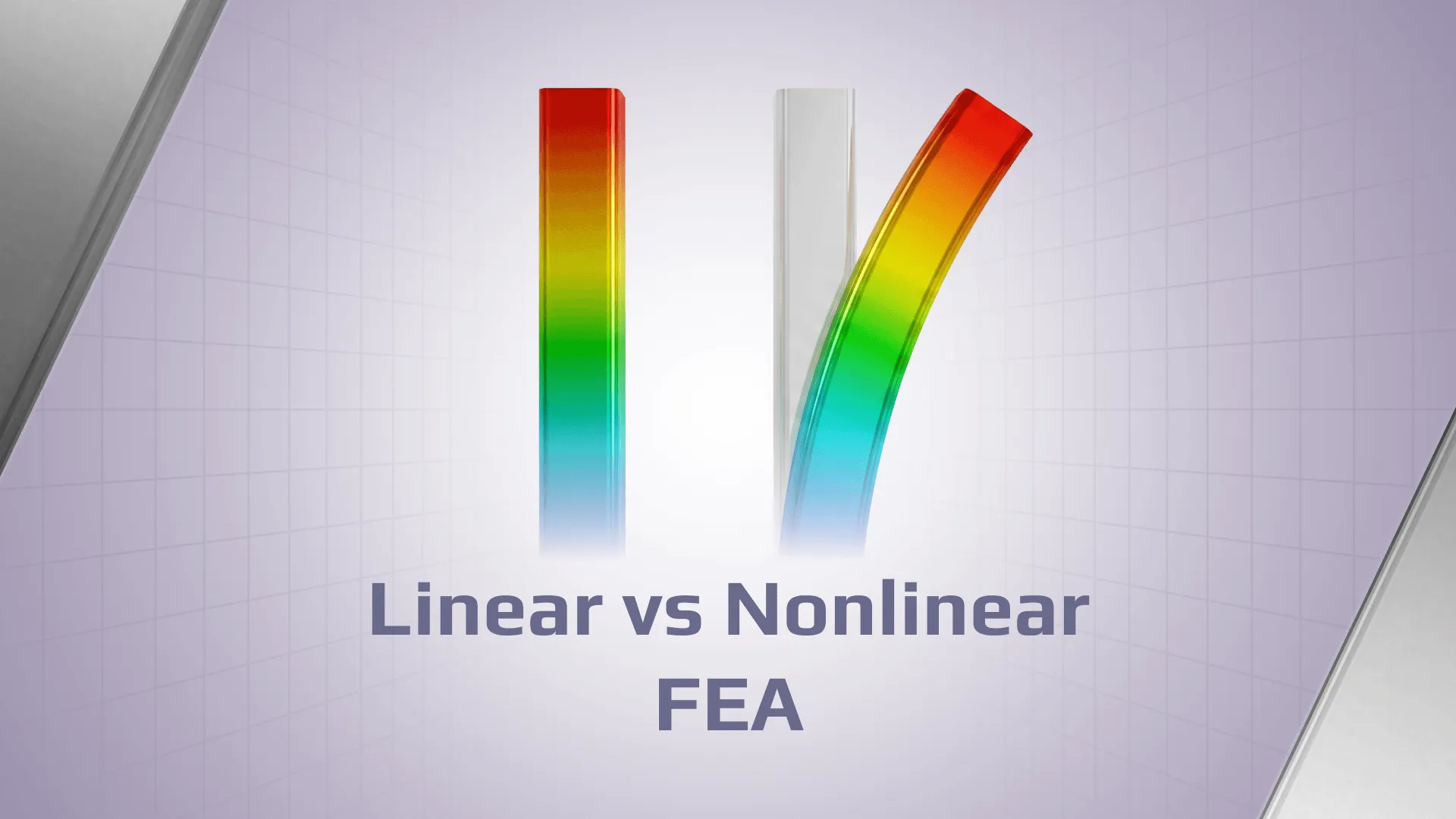
Linear vs Nonlinear FEA: When Linear Analysis Is No Longer Enough for Structural Verification

Linear vs Nonlinear FEA: When Linear Analysis Is No Longer Enough for Structural Verification

An engineer completes a linear static analysis. The model solves without difficulty; stresses and displacements look reasonable, and the verification…

Start Your Next Analysis with SDC Verifier

Get a Free Trial
Filter
Join our newsletter

    What would you like to know more about SDC Verifier?
    Loading